
Hidden Power of Kelvin: How LED Lighting Temperature Architectures Your Commercial Space
Every commercial space, from a bustling factory floor to an executive boardroom, has a silent, invisible architect: light temperature.
It’s not just about turning a lamp on; it’s about harnessing the psychological and physiological power of the Kelvin scale (K) to optimize human performance and set the perfect brand ambiance. For B2B clients, getting this right means maximizing productivity, minimizing errors, and creating an unforgettable visitor experience.
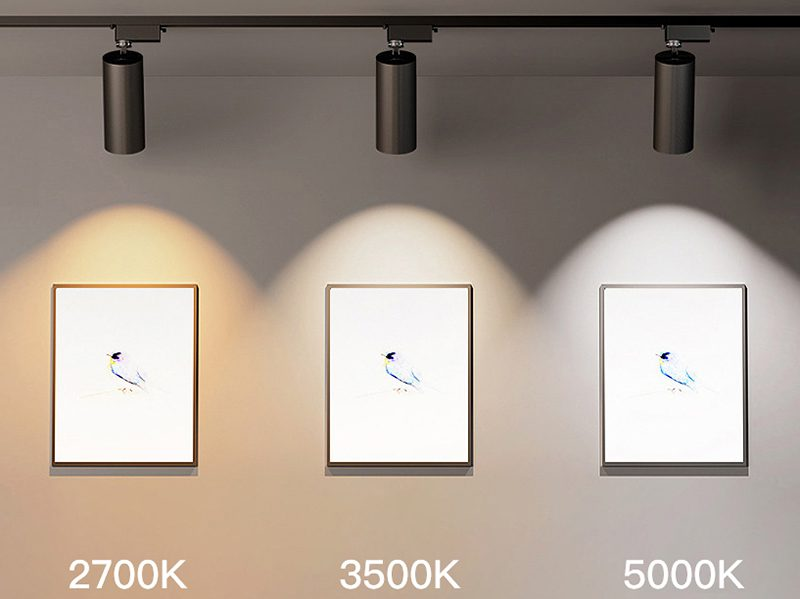
Welcome to the ultimate guide for leveraging Correlated Color Temperature (CCT) in commercial LED applications, spanning the cozy glow of 2000K to the alert brilliance of 6000K.
The Power Shift: Applying CCT Strategically
- The Industrial Zone: Safety and Task Clarity (4000K – 6000K)
In large-scale environments like warehouses and manufacturing plants, high visibility is non-negotiable for safety and quality control.
i. The Go-To: Industrial ceiling lights and high-bay fixtures are best equipped with 5000K-6000K. This crisp, cool white light mimics vertical daylight, boosting alertness and minimizing strain on the eyes during prolonged, focused tasks.
ii. Perimeter & Security: For exterior walls and walkways, robust bulkhead lights using 6000K provide maximum clarity, supporting security efforts and improving navigation.
iii. The B2B Advantage: As a track light supplier or solution provider, offering high-CRI fixtures in the 5000K range ensures that colors on product labels or wiring are seen accurately, which is crucial in technical environments.
In spaces designed for clients and collaboration, the goal is emotional resonance.
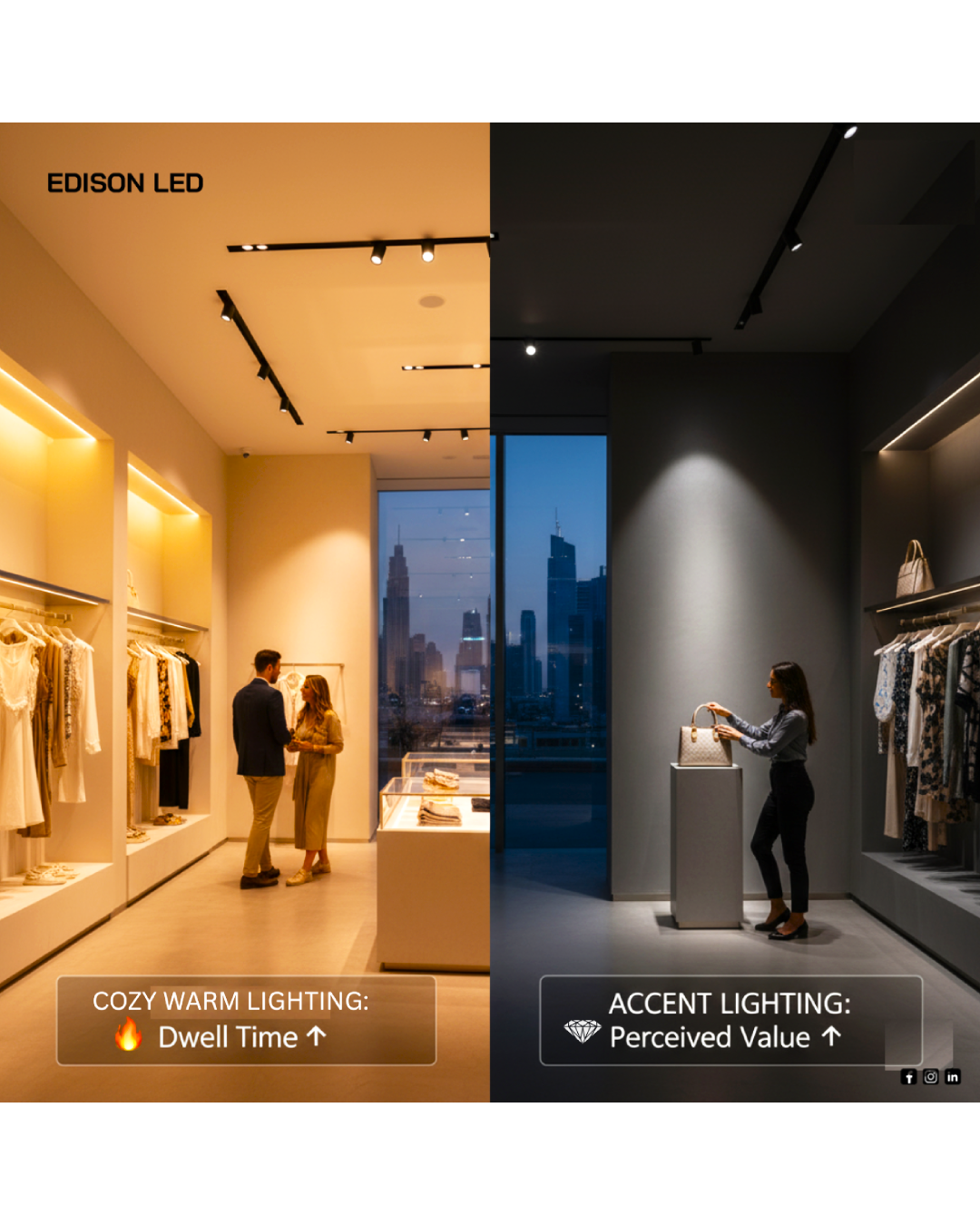
i. Lobbies & Restaurants (2700K-3000K): Warm light creates an immediate sense of intimacy, comfort, and luxury. It slows the pace and makes people feel welcome.
ii. Retail & Showrooms (3500K-4000K): A neutral white is often perfect for general retail. It highlights product true colors (especially important for clothing or finishes) without the clinical feel of daylight, striking a balance between cozy and clear.
iii. Modern Offices (4000K): Used in open-plan offices, 4000K promotes focus and energy, subtly influencing the circadian rhythm to keep teams sharp throughout the main workday.
The Next Frontier: Tunable White and Lighting Control
Static lighting is becoming obsolete in the smart commercial landscape. The most effective strategy for the modern building relies on dynamic CCT adjustment, known as Tunable White.
This is where your smart solutions and systems become the most valuable tool for your client:
i. Lighting Control System Integration: A modern lighting control system allows the CCT to be adjusted throughout the day. For example, a conference room could start at 5000K during a morning meeting to boost concentration and smoothly transition to a warmer 3000K for an evening reception.
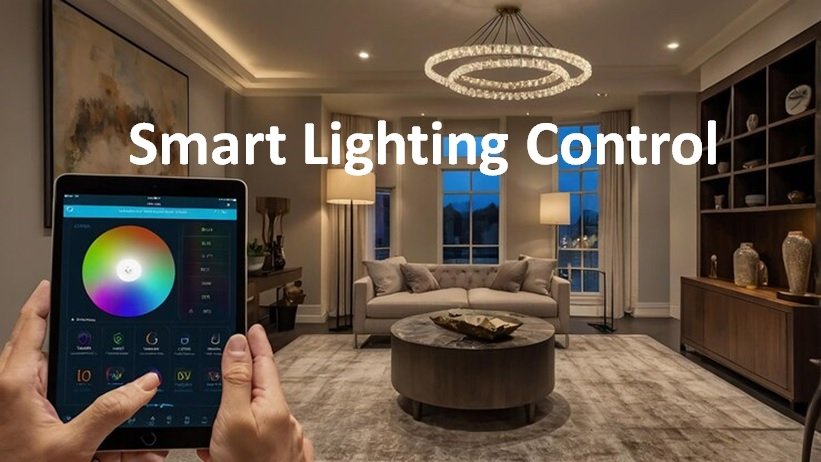
ii. The DALI Advantage: A DALI lighting system is the industry gold standard for complex commercial projects. It provides the precise, individual digital control necessary to manage multiple CCT-adjustable fixtures (smart lighting system) independently, ensuring seamless and personalized environments.
By understanding that Kelvin is not just a specification but a powerful tool for mood, productivity, and safety, your company can move beyond simply selling fixtures to delivering optimized commercial environments.
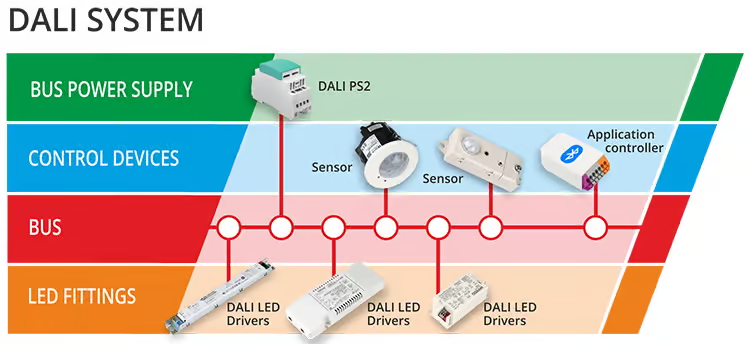
CONCLUSION
Lighting in commercial spaces is no longer just a functional requirement; it is a strategic tool that directly impacts human performance, safety, brand perception, and customer experience. By mastering the Kelvin scale (2000K–6000K), businesses can intentionally shape how people feel, focus, and interact within a space.
Cooler color temperatures (4000K–6000K) play a critical role in industrial and task-driven environments. They enhance alertness, improve visibility, reduce errors, and support safety in warehouses, factories, and exterior security zones. High-CRI lighting in this range ensures accurate color recognition, which is essential for technical accuracy and quality control.
Warmer and neutral temperatures (2700K–4000K) are equally powerful in customer-facing and collaborative spaces. From welcoming lobbies and restaurants that rely on warm, inviting tones to retail showrooms and modern offices that require clarity without harshness, the right CCT helps create emotional connection while maintaining functionality and productivity.
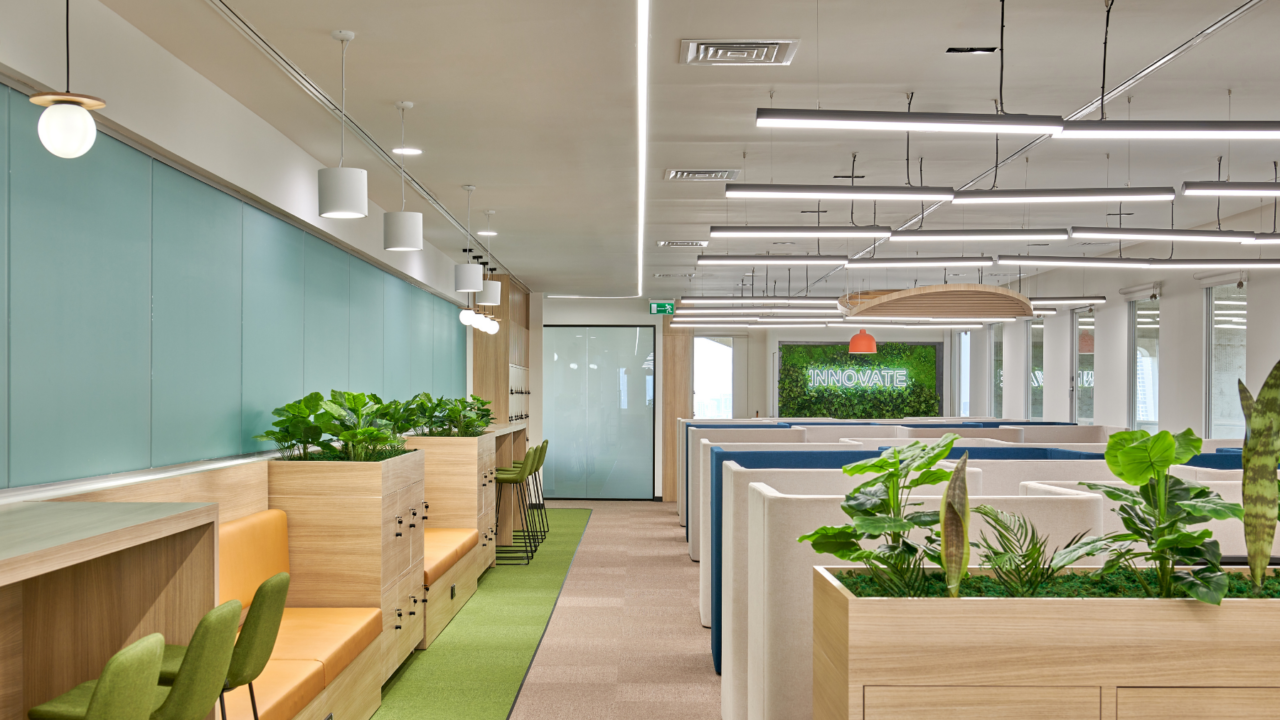
Looking ahead, the future of commercial lighting lies in tunable white and intelligent control systems. Dynamic CCT adjustment allows spaces to adapt throughout the day boosting focus when needed and creating comfort when appropriate. Advanced solutions such as DALI-based lighting control systems provide precise, scalable, and personalized lighting environments that align with modern smart-building standards.
Ultimately, understanding Correlated Color Temperature as more than a technical specification empowers companies to deliver complete lighting solutions, not just fixtures, but thoughtfully engineered environments that enhance productivity, safety, and brand impact.