
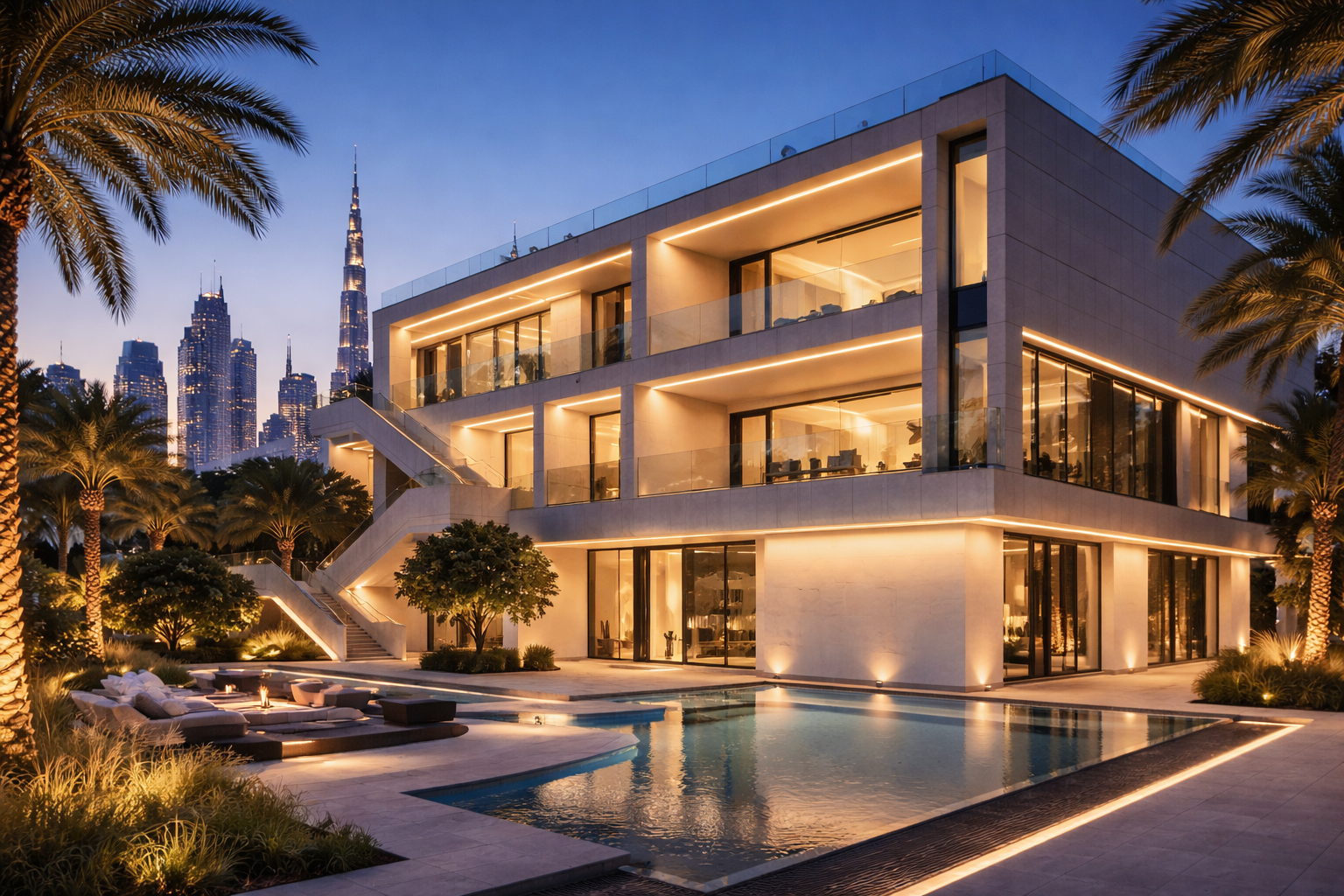
Facade lighting plays a vital role in enhancing the architectural identity of a building. The right downlights can transform a plain exterior into a striking visual statement while also improving safety and visibility. However, choosing the correct downlights for facade lighting requires careful consideration of design, performance, and durability.
This guide explains everything you need to know to select the right downlights for facade applications.
1. Understand the Purpose of Facade Lighting
Before selecting any fixture, define the purpose of your facade lighting. Common objectives include:
- Accent lighting to highlight architectural details such as columns, textures, or entrances
- Wall washing to create uniform illumination across large wall surfaces
- Grazing to emphasize surface textures like stone or brick
- Safety and security lighting for entrances and pathways
Each purpose requires a different beam angle, light intensity, and placement strategy.
2. Choose the Right Type of Downlight
For facade lighting, the most commonly used downlights include:
- Recessed downlights – Ideal for clean, minimal architectural designs
- Wall washer downlights – Best for even and smooth facade illumination
- Adjustable or gimbal downlights – Suitable for highlighting specific features
Selecting the correct type ensures better visual impact and avoids unnecessary glare.
3. Select the Correct Beam Angle
Beam angle determines how wide or narrow the light spreads on the facade.
- Narrow beam (10°–25°): Ideal for highlighting specific architectural elements
- Medium beam (25°–40°): Suitable for accent lighting
- Wide beam (40°–60°): Best for wall washing and larger surfaces
For most facade projects, a beam angle between 25° and 60° provides optimal results.
4. Determine the Required Lumen Output
The lumen output should match the scale of the facade and the desired brightness.
- Small architectural features: 500–1,000 lumens
- Medium facade areas: 1,000–3,000 lumens
- Large or tall facades: 3,000 lumens and above
Avoid excessive brightness, as it can create glare and reduce the overall aesthetic appeal.
5. Choose the Right Color Temperature (CCT)
2700K–3000K (Warm White): Ideal for residential and hospitality facades
3000K–4000K (Neutral White): Suitable for most architectural buildings
4000K+ (Cool White): Best for modern or commercial structures
A 3000K to 4000K range is generally recommended for facade downlighting.
6. Pay Attention to CRI (Color Rendering Index)
CRI indicates how accurately colors appear under light.
- CRI 80+ is acceptable for most facade lighting
- CRI 90+ is recommended for premium architectural projects
Higher CRI enhances material textures and true colors.
7. Ensure Proper Outdoor Protection (IP Rating)
Facade downlights are exposed to dust, rain, and temperature variations. Always select fixtures with adequate protection:
- IP65 – Suitable for most exterior facade applications
- IP66 – Recommended for harsh environments or direct water exposure
Also, choose fixtures made from corrosion-resistant materials such as powder-coated aluminum.
8. Plan Proper Mounting and Spacing
Correct placement is crucial for achieving uniform lighting.
- For wall washing, fixtures should be placed at approximately 25% of the wall height away from the wall
- Maintain consistent spacing between fixtures to avoid dark spots or overlapping light
A lighting mock-up before final installation helps ensure the desired effect.
9. Consider Dimming and Lighting Controls
Modern facade lighting benefits from smart control systems:
- Dimmable drivers for brightness control
- DALI or DMX systems for architectural projects
- Timers and automation for energy efficiency
Controls allow flexibility and enhance the building’s nighttime appearance.
10. Avoid Common Facade Lighting Mistakes
Using incorrect beam angles
Over-lighting the facade
Poor fixture spacing
Choosing indoor-rated lights for outdoor use
Avoiding these mistakes improves both aesthetics and fixture lifespan.