
Modern lighting is LED- and smart-first, driven by energy efficiency, human-centric (circadian) design, and cozy – yet sculptural fixtures that connect indoors to nature.
Lighting today does more than illuminate; it sets mood, supports health, saves energy, and connects to smart home/building systems. Whether you’re designing a home, office, retail space, or hospitality venue, the best solutions pair technology (LEDs, controls, IoT) with human-centered design and materials that match the space’s aesthetic and purpose.
Market snapshot
The smart & LED lighting market is expanding quickly: major market reports estimate global smart lighting was worth mid-teens to low-20s billion USD in 2024–2025 and forecast double-digit CAGR over the next 5–10 years as IoT, regulation and falling LED costs accelerate adoption.
What that means for designers and buyers: manufacturers continue to invest in tunable fixtures, integrated controls, and Matter/standards-compatible devices – prices are coming down while interoperability and features improve.
Top modern lighting solutions (what to specify & why)
- LED + tunable white fixtures (recessed, linear, panels)
Why: Highest energy efficiency, long lifetime, and tunable white (2700K–6500K) supports both ambience and circadian needs. Use high-CRI (>90) LEDs where color accuracy matters (kitchens, retail
Best for: homes, offices, retail, galleries.
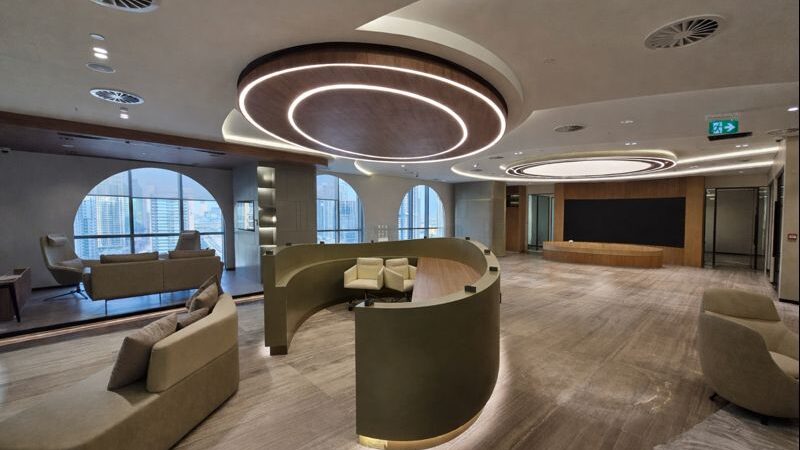
2. Human-centric / circadian lighting systems
Why: Dynamic lighting that shifts intensity and color temperature through the day improves alertness, mood and sleep patterns-increasingly adopted in offices, schools and healthcare. Consider HCL in workplaces and wellness spaces.
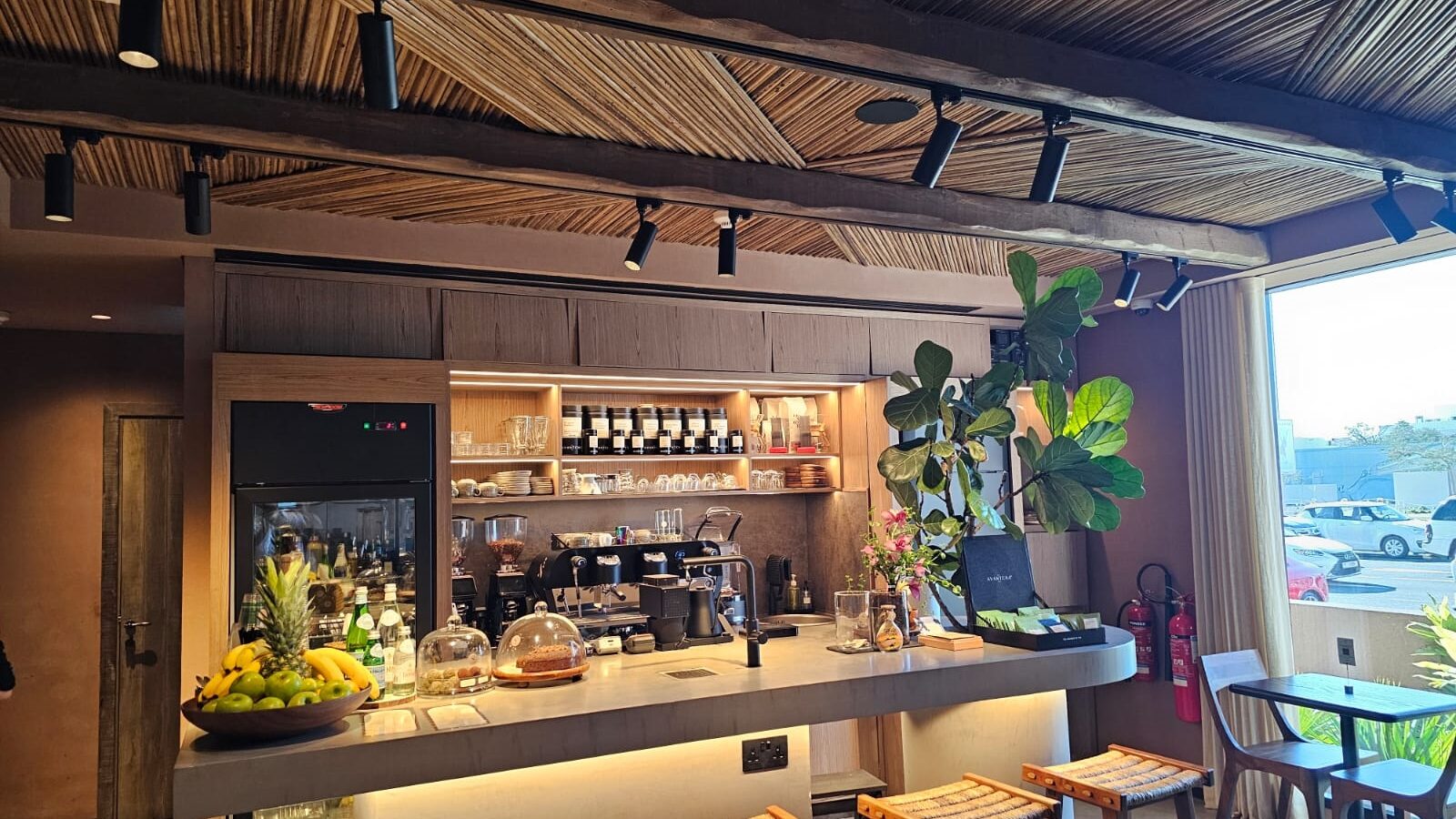
3. Smart controls & networked systems (Zigbee, Matter, Wi-Fi)
Why: Scheduling, scenes, occupancy sensing, and energy monitoring deliver comfort and savings. Newer products support Matter for easier cross-brand compatibility (example: recent smart lamps and ceiling lights launched with Matter support). Integrate motion sensors and daylight harvesting for commercial savings.

4. Layered lighting approach
Why: Combine ambient (general), task (work), accent (art/architecture) and decorative (fixtures) lighting. Layering produces flexibility: dimmable ambient LEDs + focused task lights + accent LED strips or adjustable spots.
5. Architectural and linear LED (coves, recessed channels)
Why: Clean lines and concealed sources fit modern minimalism and allow dramatic washes or feature illumination. Excellent for open-plan spaces and contemporary residential projects.

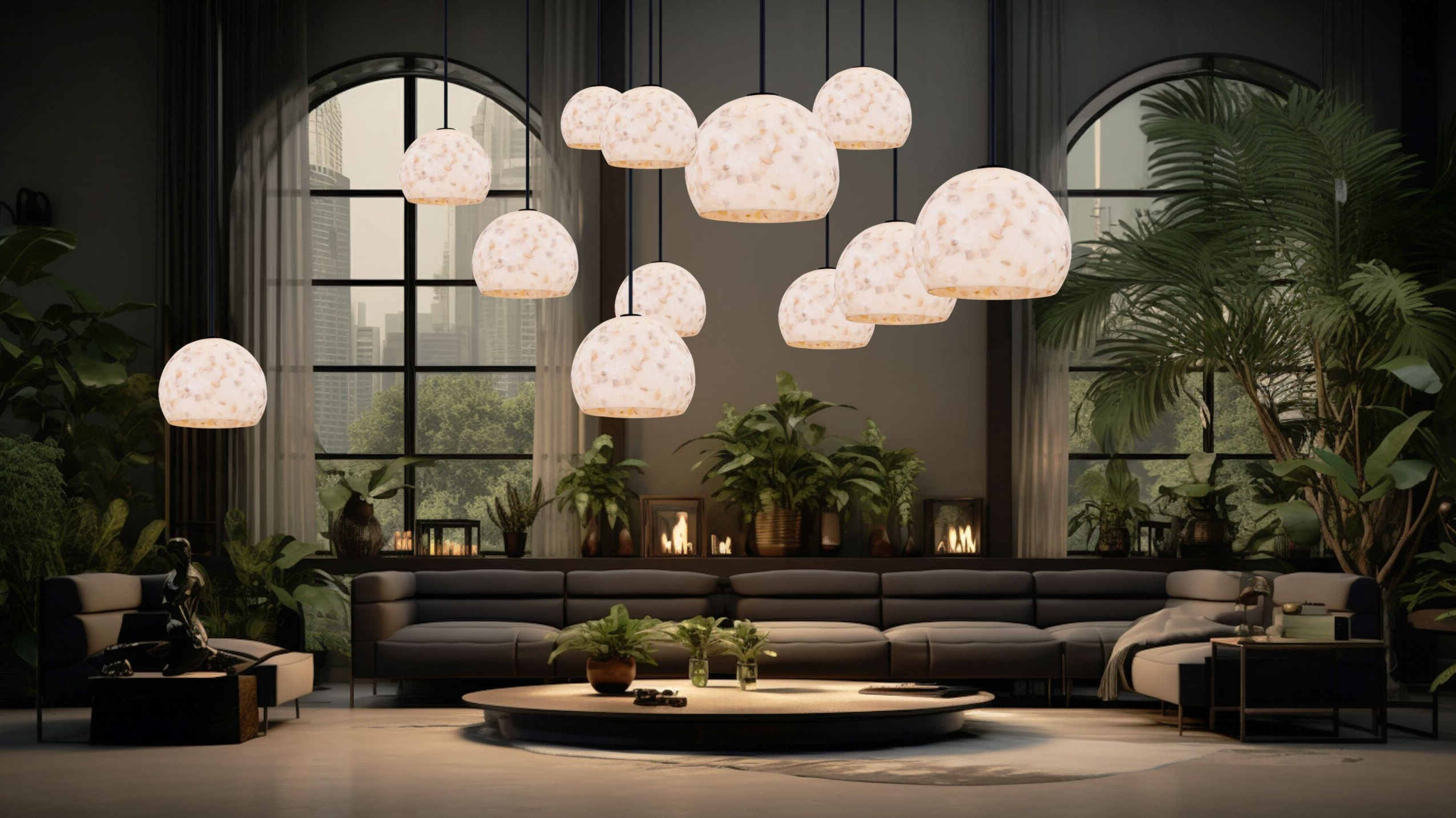
6. Sculptural pendants & biophilic fixtures
Why: Trend toward fixtures that double as art-organic shapes, warm materials (wood, woven fibers), and plant-inspired forms bring warmth and human scale to minimal spaces. Designers favor tactile materials to counter cold minimalism.
7. OLED & low-glare panels (selective use)
Why: Ultra-thin, diffuse light with excellent uniformity-great for premium interiors, hospitality, and gallery spaces where soft, shadow-free illumination is desired. Use selectively due to current cost.
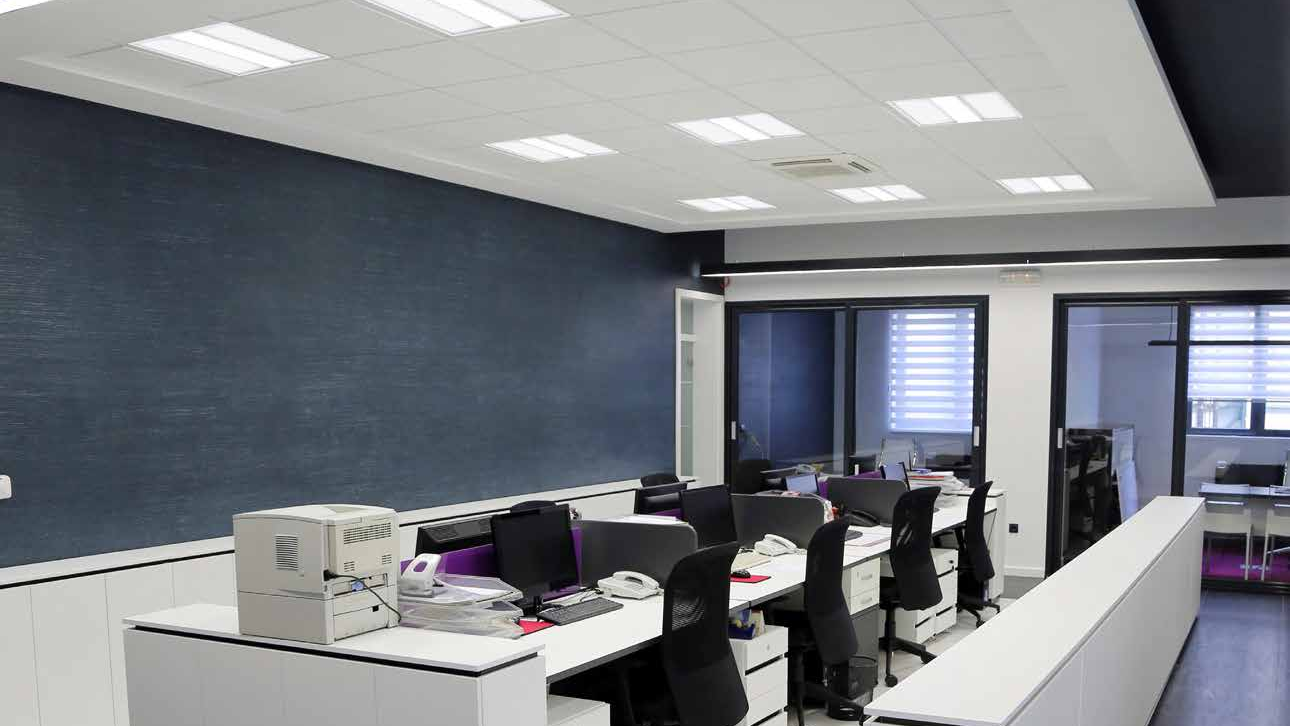
How to choose the best solution (practical checklist)
- Define function: task, relaxation, display, or wellness?
- Prioritize CRI for color-sensitive areas (CRI 90).
- Choose tunable white for multi-use rooms and HCL needs.
- Add smart controls for schedules, scenes, and energy tracking.
- Layer light: at least ambient and task; add accent and decorative as needed.
- Match fixture scale to room size-designers are moving away from under-scaled pieces. Homes and Gardens.
- Factor lifecycle cost (energy + maintenance), not just initial price.
Cost vs ROI-what the market shows
Upfront cost for smart and human-centric systems is higher than basic LEDs, but energy savings, longer lamp life, and productivity/ wellness gains (in workplaces and healthcare) often justify investment. Incentives and stricter energy codes in many regions also improve payback timelines.
Design & aesthetic trends to follow (2024–2026)
Move from ubiquitous vintage/industrial to warmer, more sculptural fittings and biophilic materials. Homes and Gardens
Minimalist fixtures remain popular, but with higher polish and considered craft (not purely utilitarian). crystalflashco.com
Integrated lighting (hidden channels, cove) for seamless architecture.